Commercial flood cleaning

Commercial flood cleaning and water-damage cleanup in Melbourne.

Assessment-led cleaning support for water-affected workplaces, facilities and commercial properties across Melbourne.

Call 1800 883 884
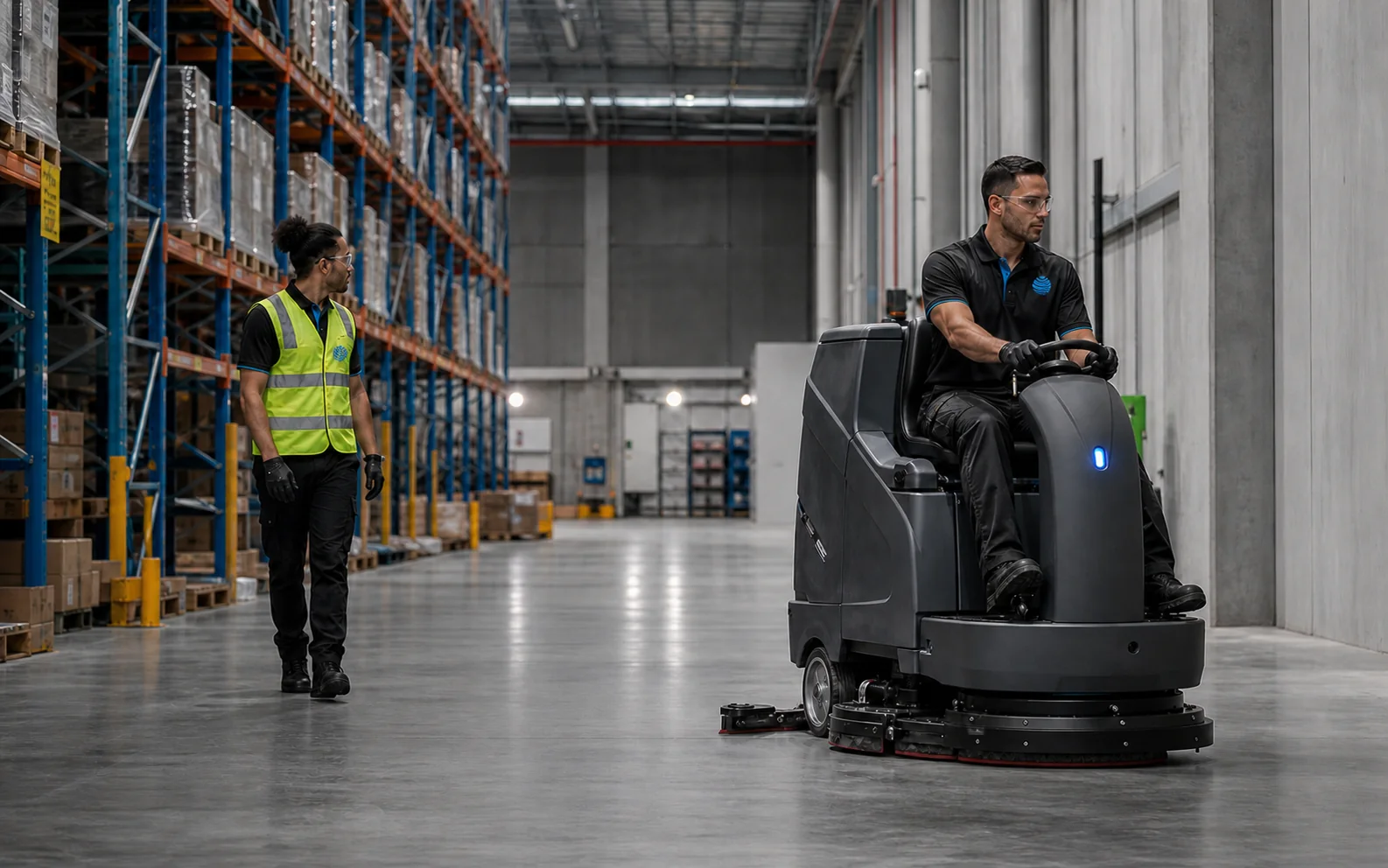
Commercial flood-cleaning assessment in a Melbourne facility

Commercial water damage can interrupt access, damage finishes and create electrical, structural, contamination or mould concerns. CIC begins with the cause, site condition and affected materials, then confirms the cleaning work it can perform and where an emergency trade, assessor or specialist remediator is required.

01

Confirm safety and stop the source before cleanup begins.

Water near electrical systems, damaged structures, active leaks, sewage, chemicals or unsafe access requires the appropriate emergency response before routine cleaning. The client or responsible specialist must confirm that the affected area can be entered and that the source has been controlled.

  • Source and incident information
  • Electrical and structural access status
  • Known contamination or hazardous-material concerns
  • Affected work zones and building restrictions
  • Responsible client, trade and emergency contacts
02

Assess the water event instead of treating every flood the same.

The water source, time elapsed, temperature, affected materials and prior actions influence the response. Clean water from a controlled plumbing event is not approached in the same way as stormwater, sewage or water that has contacted unknown substances.

Where contamination, mould, hazardous materials or technical building assessment falls outside CIC’s cleaning capability, the required qualified specialist must be involved before the relevant work proceeds.

03

Map the affected areas, materials and business priorities.

CIC records the visible extent of the incident and the commercial areas that need attention. Floor coverings, hard floors, skirtings, walls, joinery, furniture, stock, equipment and adjoining rooms may require different decisions, responsibilities and access controls.

  • Entry points and the apparent water path
  • Carpet, resilient floors, tiles and concrete
  • Walls, skirtings, joinery and fixed finishes
  • Furniture, stock and equipment boundaries
  • Adjoining rooms and operational access routes
04

Define extraction, drying and cleaning responsibilities clearly.

The response scope identifies which water removal, cleaning and drying-support tasks CIC can undertake after assessment. It also records any work that must be completed by plumbers, electricians, builders, hygienists, restoration specialists or other qualified providers.

Technical drying targets, concealed moisture, damaged building materials and specialist restoration are not assumed to be included in a general cleaning scope.

05

Clean the site after the method and work zones are approved.

The cleaning approach depends on the affected surface, water conditions, damage and required result. Suitable work may include removal of accessible residual soil, cleaning of approved hard surfaces, treatment of agreed carpeted areas and post-incident presentation work after unsafe or unsalvageable materials have been addressed.

06

Stage commercial flood cleaning around business recovery.

Where conditions allow, the work can be divided into controlled zones so essential operations, deliveries, staff access or tenant communication can be coordinated. The plan records service windows, isolation areas, drying or reopening considerations and who authorises each work-zone handover.

07

Document the scope, exclusions and next actions.

A written scope should identify the inspected areas, approved cleaning tasks, access conditions, client responsibilities, specialist dependencies, assumptions and exclusions. This helps facility teams understand what CIC will complete and what must remain with another contractor or professional adviser.

08

Turn the assessment into a clear commercial cleanup quote.

Pricing depends on the affected area, water conditions, materials, access, urgency, equipment, work zones and specialist dependencies. CIC confirms current availability and prepares a site-specific proposal only after enough information is available to define the work responsibly.

Commercial flood cleaning questions, answered.

01What can commercial flood cleaning include?

The assessed scope may include accessible water-affected areas, approved hard surfaces, suitable carpeted zones, residual soil, post-incident presentation cleaning and agreed drying support. The exact work depends on the source, contamination, materials, damage, access and specialist requirements.

02Does CIC provide flood cleaning services across Melbourne?

CIC can assess suitable water-affected commercial sites across metropolitan Melbourne. Current availability, safe access, location, incident conditions and required capability must be confirmed before attendance or commencement.

03Can CIC attend an after-hours water-damage incident?

Contact CIC with the site address, incident source, affected areas and current safety status. After-hours attendance is not automatic and depends on current team availability, safe access and the work required.

04Does CIC handle every type of flood event?

Not automatically. The cause, contamination, structure, electrical risk and affected materials must be assessed before CIC confirms the appropriate scope or need for other specialists.

05Should staff begin cleaning immediately?

Only after the site is considered safe and relevant hazards have been assessed. Significant water events may require emergency, electrical, structural or contamination specialists.

06Can CIC provide water extraction and drying?

Suitable water removal or drying-support tasks may be considered after assessment. Technical structural drying, concealed moisture, damaged materials or specialist restoration may require other qualified providers.

07Does CIC provide mould remediation after water damage?

Visible or suspected mould requires assessment of the cause, extent, materials and appropriate controls. CIC will confirm whether any cleaning work is within scope or whether a qualified mould or remediation specialist is required.

08How is a commercial water-damage cleanup quote prepared?

CIC reviews the site address, water source, time elapsed, affected areas and materials, access, safety status, work zones and specialist dependencies before confirming availability and a written scope.

Free quote & site inspection

Ready for a
cleaner
standard?

Tell us about your facility. We’ll arrange a walk-through and build a clear cleaning scope around your site.

Price-beat guaranteeSend us a comparable written cleaning scope and quote for review.

Free quote. No obligation. Price-beat guarantee applies to a comparable written scope and service conditions.

Prefer to talk? 1800 883 884
Call CIC